For When Your Brand Feels Incohesive
Written by Kat Fletcher
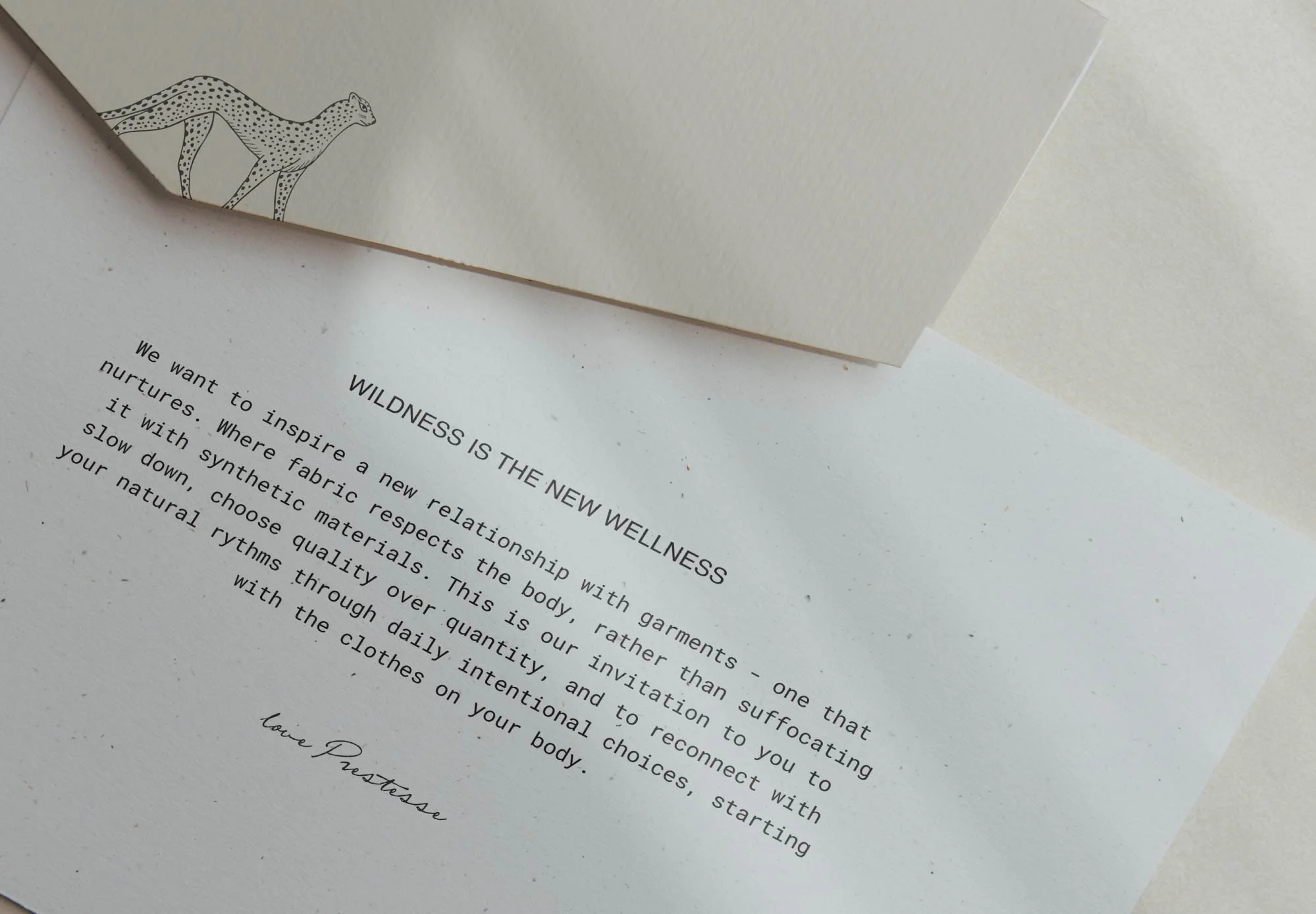

The brand has been built piece by piece. The logo first. Then the packaging. Then the website. Then social. Some pieces by you, some by different designers, some pulled together with AI. Each part is fine on its own, but when you stand back and look at the brand as a whole, something doesn't quite feel right. It lacks the cohesion and refinement that gives a brand its elevation.
The effect of this can show up in the business as the following. The marketing doesn't convert the way it should. Sales are lower than the product quality and the audience suggest they would be. Growth feels more difficult than it should be. The same effort that would work elsewhere produces less here. Most founders feel this as the business being harder than they expected, and they often spend more on more marketing trying to make up the gap.
What's actually happening?
The cause lives a layer below. Customers are dropping off in small moments that might not always be obvious. They move from the brand’s Instagram to the website and the energy shifts. They get a marketing email that sounds like a different brand’s voice. They receive the product and the packaging doesn't quite match their expectations from the website. Each of these is a small place where trust breaks and the customer chooses not to buy, or they buy once and don’t return. The brand itself is leaking.
The fix isn't more marketing. The fix is building the brand as one cohesive system, so there are no more leaks.
What a cohesive brand system actually is
A cohesive brand system happens when every touchpoint of the brand feels like one world, and works in harmony to create a high level customer experience.
I find it helps to distinguish two things here. The branding and the brand touchpoints. The branding is the visual identity, the photography style, the messaging, the tone of voice. These are the parts of the brand that get designed, written and shaped. The touchpoints are the places where the brand meets the customer: the packaging, the website, the social presence, the welcome email, the unboxing experience. When the branding is infused consistently across all touchpoints, they work together as a system.
That system creates a smooth customer experience. The customer is attracted to the brand, nurtured through getting to know it, and retained over time. The brand functions as one whole, working for the business at every stage of the customer journey.
When each piece of your brand puzzle works, your brand is working for you.
Why this matters
The brand isn't necessarily hard to grow because the product is wrong, or because the market isn't there. The brand is leaking. Marketing effort attracts people in, but each gap in the experience breaks their trust before they buy.
It’s like a bucket with small holes in it. The business pours water in through marketing, content, press pitches. The bucket leaks the water back out through each gap in the brand. The more you pour in, the more drains out. Growing the business starts to feel like constantly trying to fill the bucket. Like constantly trying to acquire customers, without them buying or staying. And the answer many founders reach for first is to pour more in, without looking at the bucket itself.
If 1,000 people find the brand and 2% convert into customers, that's 20 customers. If that conversion increased to just 3% by fixing the leaks, that's 30 customers. A 50% increase in revenue, from a 1% increase in the brand conversion, with the same traffic. Without changing anything about the marketing or the product, just by making sure the brand isn't losing customers in the gaps.
This matters significantly more at the high level brand tier. Premium and luxury customers are more sensitive to brand inconsistency than the general consumer. They're paying more. Their expectations are higher. Their eye is more trained. They notice the small breaks in the brand world more quickly than a mass-market customer would, and they're more willing to step away the moment they notice them. This is why a cohesive brand system matters even more for premium and luxury brands. The audience has the budget, the taste, and the patience to wait for a brand that feels right.
The psychology of trust
People we trust carry themselves with consistency. Their words match their actions over time. Their underlying character holds steady, even as they naturally adapt to different contexts. What we recognise as integrity is this thread of consistency, and it's why we trust them.
Brands work the same way. When the brand feels recognisably itself across every touchpoint, even as it naturally adapts to different channels, the customer reads this as integrity. The brand becomes trustworthy. The customer can relax into it.
When the brand contradicts itself across touchpoints, the customer senses the inconsistency the way they'd sense it in a person. Something feels off. The trust falters, even when they can't articulate why. Because people relate to brands like they relate to people.
What this looks like as a customer experience
Think of the system as a relationship the customer moves through. Three phases, each held together by the consistency of the brand.
1. ATTRACT
This is the moment someone first notices the brand and feels a pull toward it. The visual identity, the photography, the packaging design, the way the brand shows up on social, the website hero section. These small touchpoints give the customer an instant sense of what the brand is about, what makes it different, and whether it’s the kind of brand for them.
2. NURTURE
This is where the customer gets to know the brand more deeply. They spend time on the website, read the about page, watch a behind-the-scenes story, sign up for the email list, perhaps read the blog. They're deciding whether this brand resonates with them, whether they trust it and want to be a part of it. This is like the dating phase. The brand's voice, visuals and storytelling all need to feel like one coherent world throughout, so that with each new encounter, their trust deepens.
3. RETAIN
This phase begins the moment of purchase. The customer has chosen to buy, and now the brand has the chance to deepen that relationship through every touchpoint that follows: the unboxing experience when the product arrives, the note tucked inside, the first email after delivery, the way the brand keeps in touch over time without becoming transactional. When each of these moments carries the same considered brand world they fell in love with, they don't disappear after the first sale. They come back and bring others with them.
These are the three stages within the cohesive brand system, and it only works to its fullest potential when each phase is present, cohesive, and leads onto the next.
Key places to pay attention to
Beyond the foundations, there are specific places cohesion either holds or breaks in a premium brand right now.
SOCIAL TO WEBSITE CONTINUITY
Social media in 2026 is rich with video, UGC and behind-the-scenes content. When the customer scrolls through that and clicks through to a website that feels a static, the transition feels jarring. The website starts to feel dated. To create a fluid transition, the website needs to reflect the same modern, dynamic feel: video, integrated motion, and UGC (if applicable to the brand’s positioning). When the continuity holds, the shopping experience is smooth.
BRAND VOICE
The brand's voice will naturally adapt as it moves across different channels, from the about page to an Instagram caption to a customer service reply. What needs to hold across all of these is the underlying character of the brand. When the voice feels like it’s still the same brand even across different contexts, people start to feel like they know the brand. The tone and energy is consistent. The integrity is clear.
Maintaining this consistency takes detailed brand voice guidelines, well beyond the usual one-page set of voice keywords. Guidelines specific enough that a copywriter, marketer or AI tool (if using) can produce the right language that genuinely sounds like the brand.
BRAND PHOTOGRAPHY
A product brand has many kinds of photography. Model shots, lifestyle shots, product photography, social content. Often shot at different times, by different photographers, in different settings. For the brand to feel cohesive across all of it, every shoot needs to belong to the same visual world. Similar tones. Similar lighting. Similar energy.
This takes photography guidelines that define the art direction clearly, so each shoot, regardless of who's behind the camera, comes back true to the brand.
THE UNBOXING EXPERIENCE
The unboxing experience is the moment the customer opens the package they’ve ordered. It’s often their first physical encounter with the brand, and one they are excited for. A considered unboxing experience meets their excitement, as well as adding to it. The design of the box, what happens when they open it, the texture of the materials. The customer feels welcomed into the brand world with a package that feels more like a gift. The physical experience matches what the website promised. The brand doesn't let them down, paving the way for repeat purchase and loyalty.
THE POST PURCHASE EXPERIENCE
The post-purchase experience is everything the brand sends the customer after they’ve placed the order. The shipping confirmation, the delivery update, the thank-you note, the re-engagement email weeks later. This is when they’re most invested in the brand: they’ve spent their money and are waiting. Each touchpoint is an opportunity to provide reassurance and deepen the connection. When these moments are transactional or sales-led, the brand starts to feel less premium and less trustworthy. When they carry the same warmth and energy as everything before, the customer feels valued and connected to the brand. They open the next email. The come back to buy again.
When the system is working
A cohesive brand system is an asset for the business. Every other effort, every Instagram post, every ad, every podcast appearance, every PR placement, leads people back to the brand world. When that world is built well, each of those efforts is amplified, because each one is delivering people into a system designed to convert and retain customers.
A cohesive brand system has trust and connection points built into every stage of the customer journey. Built this way, the brand doesn't only produce one-time sales, it creates loyalty. Customers return and bring others with them. Marketing efforts are most effective. Sales start to happen more naturally. The business has space to breathe, opening up time for further creation and expansion.
Overall, the business becomes easier to grow because the brand is doing the work of building customer relationships at every touchpoint.
If you'd like to go deeper on how a cohesive brand system specifically builds customer loyalty, the next read is Turning Customers into Advocates: The Loyalty Journey (coming soon.)
Kat
Brand Consultant
The Premium Product Brand Checklist: A comprehensive checklist for founders building product brands in the premium and luxury space with a conscious ethos.