How to Avoid Packaging Mistakes Before They Happen
Written by Kat Fletcher

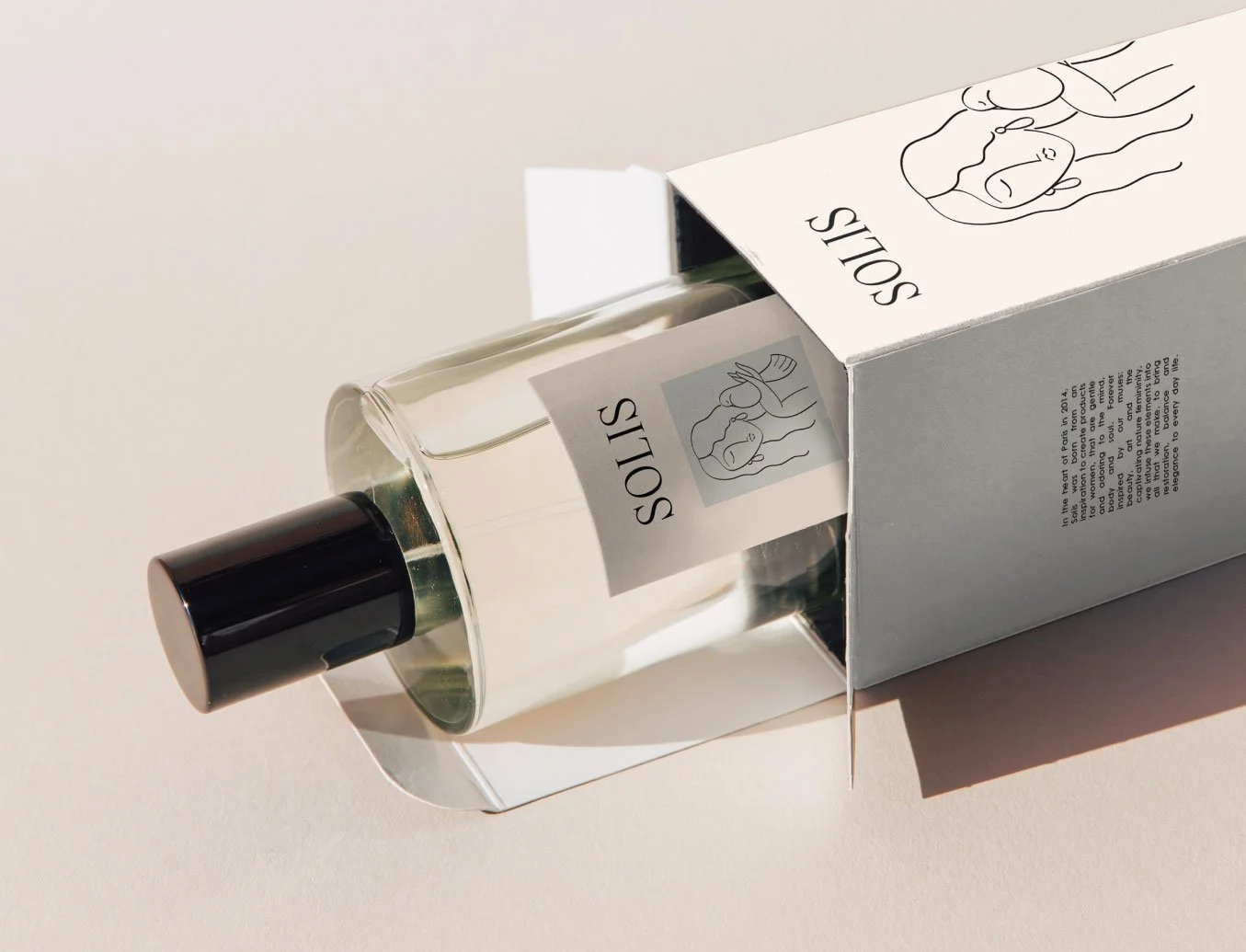
By the time you're printing packaging, you've likely already spent a long time on your brand. You’ve created the product, solidified the brand direction, finalised the visual identity, and approved the packaging design. Next it's time to place the packaging print order, often at large quantities and a significant investment.
As a brand and packaging designer, there are a few common mistakes I’ve seen over the years that can happen at the print stage.
A single overlooked detail can turn into a full print run of boxes with an error. The colour looks dull, the logo isn’t centred, or something isn’t lined up straight. Mistakes like this might seem small, but they can make a piece of packaging feel lower in quality, even if customers can’t quite put their finger on why.
These kinds of mistakes are nearly always avoidable, when you take the right steps and know how to work with printers and suppliers.
Why packaging mistakes happen
Most founders building a product brand are never taught how to work with printers and suppliers. Much of it gets learned on the go, which sometimes works, but often it can lead to mistakes.
This can happen when communication breaks down between the business owner, designer and printer, or when a small lapse in attention causes slip-ups.
Many assume that once design files are sent, the printer will reproduce them perfectly, but this isn’t always the case. Colour shifts on different paper stocks, foils need specific files, embossing has tolerances.
Another common mistake is signing off supplier suggestions, without understanding what the full implications would be. This can lead to packaging printed that’s different to what was originally designed and approved.
When things go wrong
When packaging has mistakes, the brand has to either order another print run, absorbing the cost, or use the packaging and risk customers noticing. Even a small mistake (such as something being slightly off centre) can register subconsciously in a customer’s mind.
I've seen mistakes like this happen a few times. Once was when a supplier adjusted a file, and somehow this had created a small dash cutting through the typography on the side of the box. The brand had signed it off before checking the proofs, and ended up with a run of boxes printed with the mistake.
Another time, new packaging for a fragrance brand was printed in colours outside the brand palette, harsher and brighter than the originals, causing the packaging to feel disjointed from the rest of the brand. Somewhere along the way, the brand sign-off had happened without attention to detail.
Some common packaging print mistakes
The logo gets enlarged or text gets resized, disrupting the design hierarchy. The logo gets modified with a new element (often well-intentioned), creating an inconsistency in the brand’s most important mark. The colours don’t print correctly due to ink type or paper stock, leading to colours that look dull or different from the brand's palette. Print finishes get added that weren't aligned with the brand's image, such as glossy stock or low quality foil that can weaken brand perception. Fonts get changed, or the font formatting gets changed, leading to inconsistency in the brand’s identity.
These are just a few of the mistakes that can happen when care isn’t taken at the final stage of printing.
How to avoid packaging mistakes
Work with a designer who understands print, materials and finishes from the start, and ask for print-ready files you can send directly to your supplier. A designer with print fluency will build the artwork files in the correct way and be able to liaise with suppliers when necessary to ensure everything runs smoothly.
Be aware that colours on screen print differently in real life. To ensure the colours in your packaging come out matching the brand palette you have on screen, the colours need to be set to print colour codes. This will either be CMYK codes or Pantone codes. These codes will also be different depending on if you’re printing on coated stock (glossy or with a smooth sheen), or uncoated stock (more raw and natural). Work with a designer who has access to Pantones colour books and can guide you through the process, and help pick out the right colour codes for print and packaging.
Review proofs carefully before signing off. If your business is small, you can do this yourself. If it is bigger, hiring someone is a feasible option. Either way, the final files need a careful look before being printed to avoid simple mistakes in places like spelling, barcodes, and layout.
Involve your designer when a supplier makes a suggestion. You've invested in their expertise, so let them weigh in on whether a proposed change will work for the packaging design.
Keep communication open. Rather than relaying messages back and forth between designer and supplier with you in the middle, connect them directly with you copied in. This saves time, prevents miscommunication, and means the designer can answer any technical questions as they come up.
It’s also wise to order small test runs before committing to large quantities. While this may take a little more time and investment upfront, it protects the long-term investment and brand quality.
To conclude
Quality packaging signals a quality brand, before customers have ever experienced the product itself. Even small print mistakes in the packaging can weaken that perception, sometimes even subconsciously.
However, with the right steps and attention to detail in the print phase, they're entirely avoidable. When you take the time to get it right, you protect both your brand quality and your business investment.
Kat Fletcher
Brand Consultant
The Premium Product Brand Checklist: A comprehensive checklist for founders building product brands in the premium and luxury space with a conscious ethos.