5 Types of Product Photography That Build Brand Desire
Written by Kat Fletcher
Of every touchpoint a customer meets your brand through, photography does the most work in the least amount of time. It creates a whole impression in a single moment. When someone finds your Instagram profile or lands on your website homepage, the photography is what captures them first.
Even the most beautiful product and packaging can come across as flat or low quality if the photography doesn’t show it.
Good brand photography communicates both a quality level and a world. Because customers want to know not just how your product looks, but what world they step into if they were to buy it.
This is why good brand photography tends to have variety. Each type of image does a different piece of the same job: showing the customer the brand world from a slightly different angle each time.
With a clear understanding of the different types of photos that work to convey the brand world, planning photoshoots becomes much easier. And the photos that come from those shoots work to create real desire.
1. The Simple Product Photo
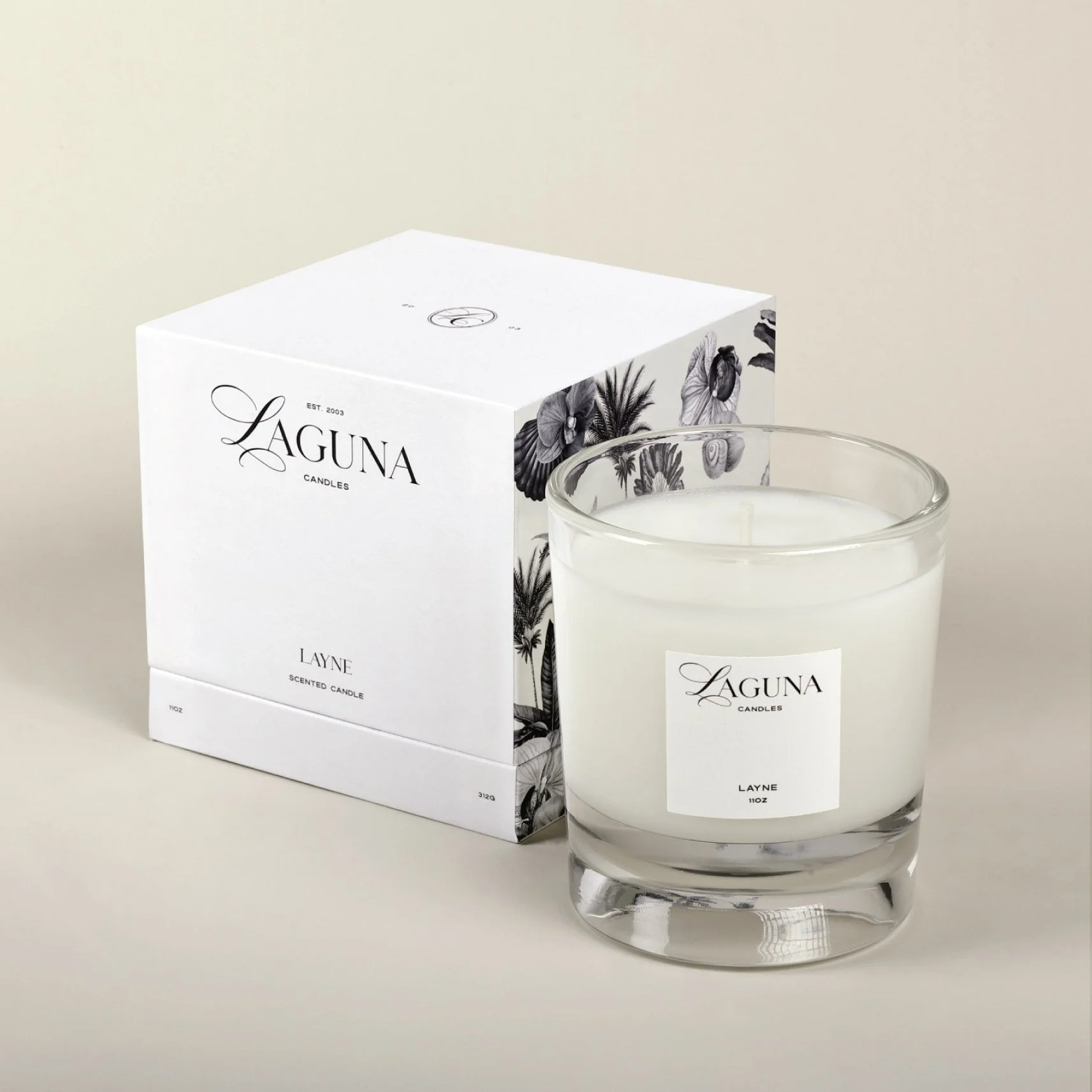
A clean, minimal photograph of your product against a plain background, beautifully lit. This is the base image. It's often the primary image on your product page and the one customers see as they browse the catalogue. Done well, it creates a clutter-free view where the product itself takes centre stage. Brands like Lesse use this kind of simple, lit-with-intention product shot as the spine of their entire catalogue. The image carries no decoration. Its work is being done by light and composition alone, and that's the whole point.

2. The Close-up Photo
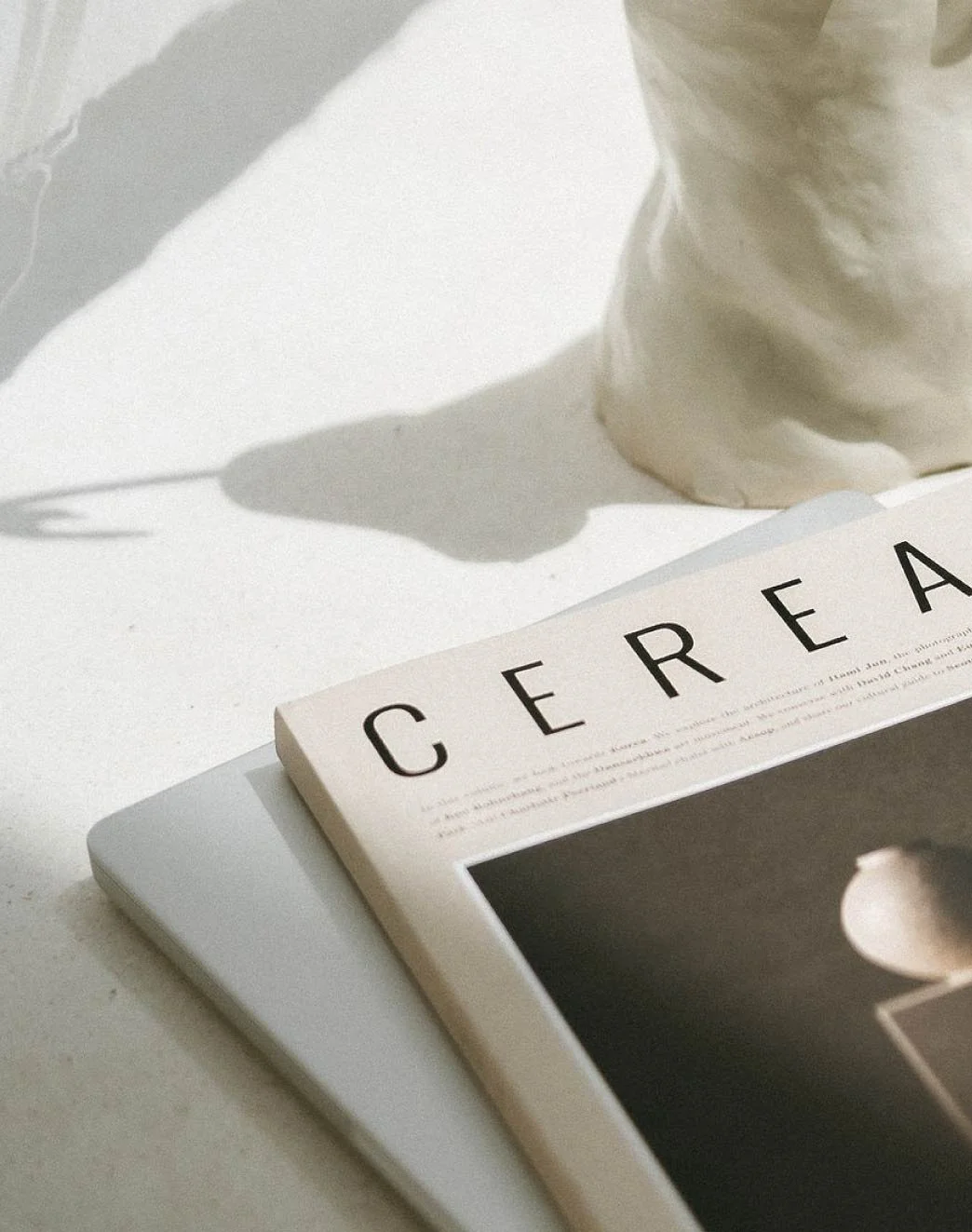
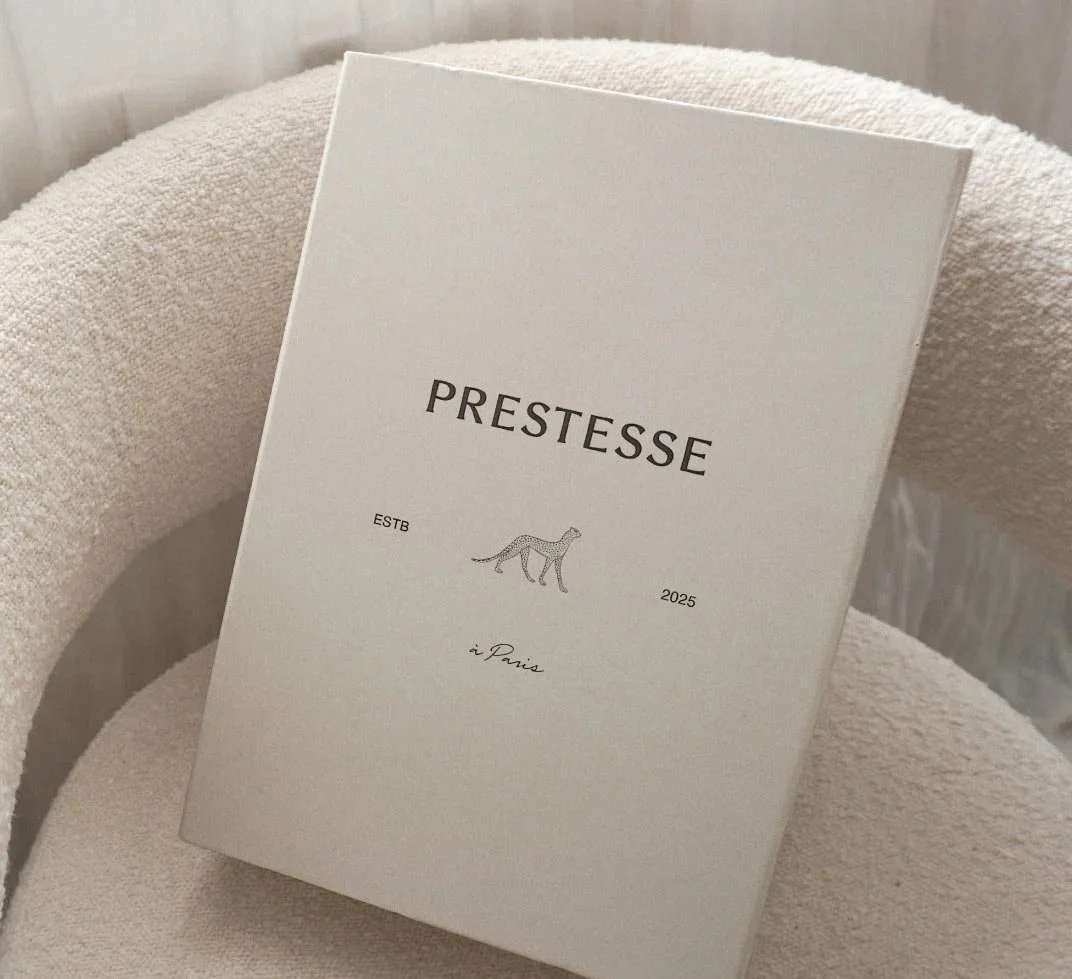
Premium and luxury buyers want to see craftsmanship. Close-up images highlight the tactile beauty of your product. The smoothness of a glass bottle, the weave of linen fabric, the embossed logo on a box. These are the shots that tell the customer your product was made with artistry, craftsmanship and care, and that is visible in the smallest details. Diptyque's close-up product imagery does this well. The texture of the label, the shine of a glass, the engraved ceramic vessel.
3. The Collection Photo
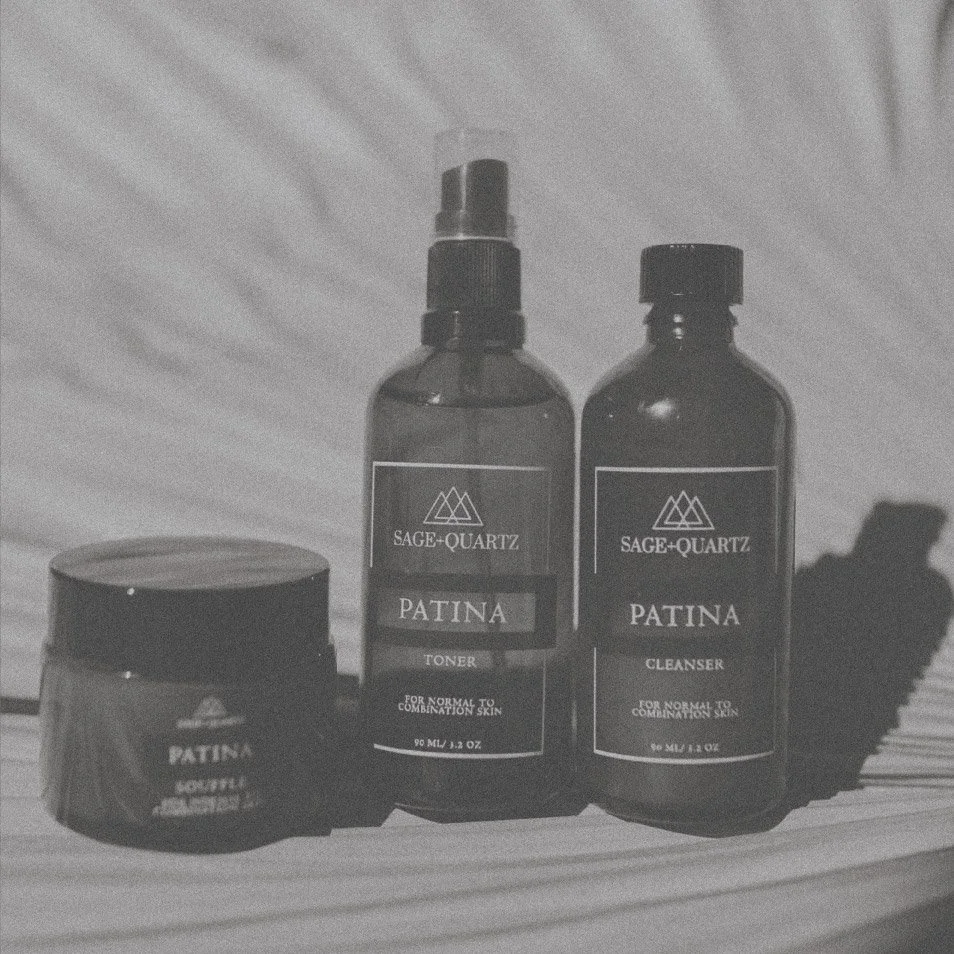
If your products are part of a set or a ritual, a skincare trio, a tea assortment, or fragrance line, photograph them together. Collection shots show how the pieces work together, creating a sense of cohesion and intention. They help customers envision how the products complement one another, inspiring them to purchase multiple pieces.
4. The Decorative Lifestyle Photo
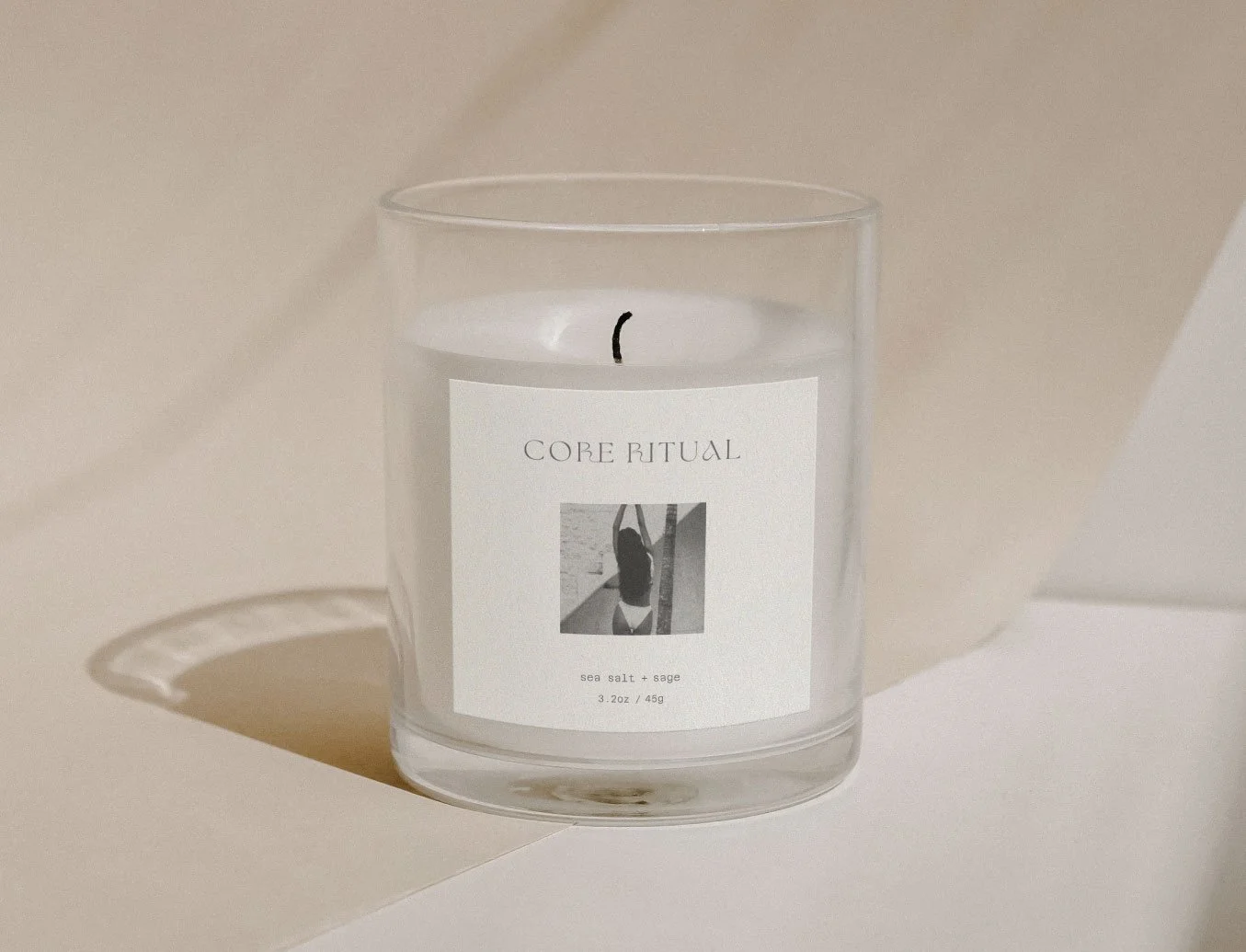
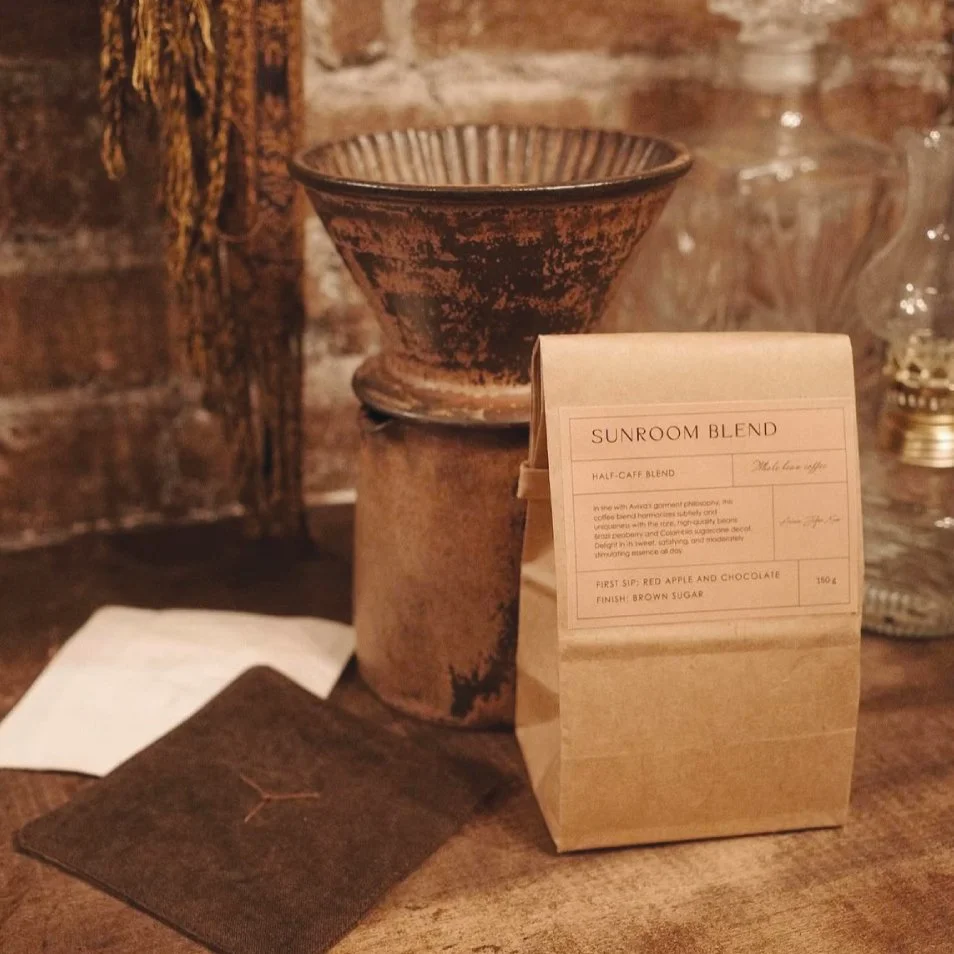
Decorative photographs bring your product into context through props and styling that communicate the brand world. They draw the eye in, tell the story behind the product, and create sensual desire. This could look like a candle placed within its own scent notes of jasmine and citrus. Or a jar of body butter resting in a shell on soft sand, kissed by dappled sunlight. These kinds of images awaken the senses and express your brand’s creative spirit.
5. The Model Lifestyle Photo
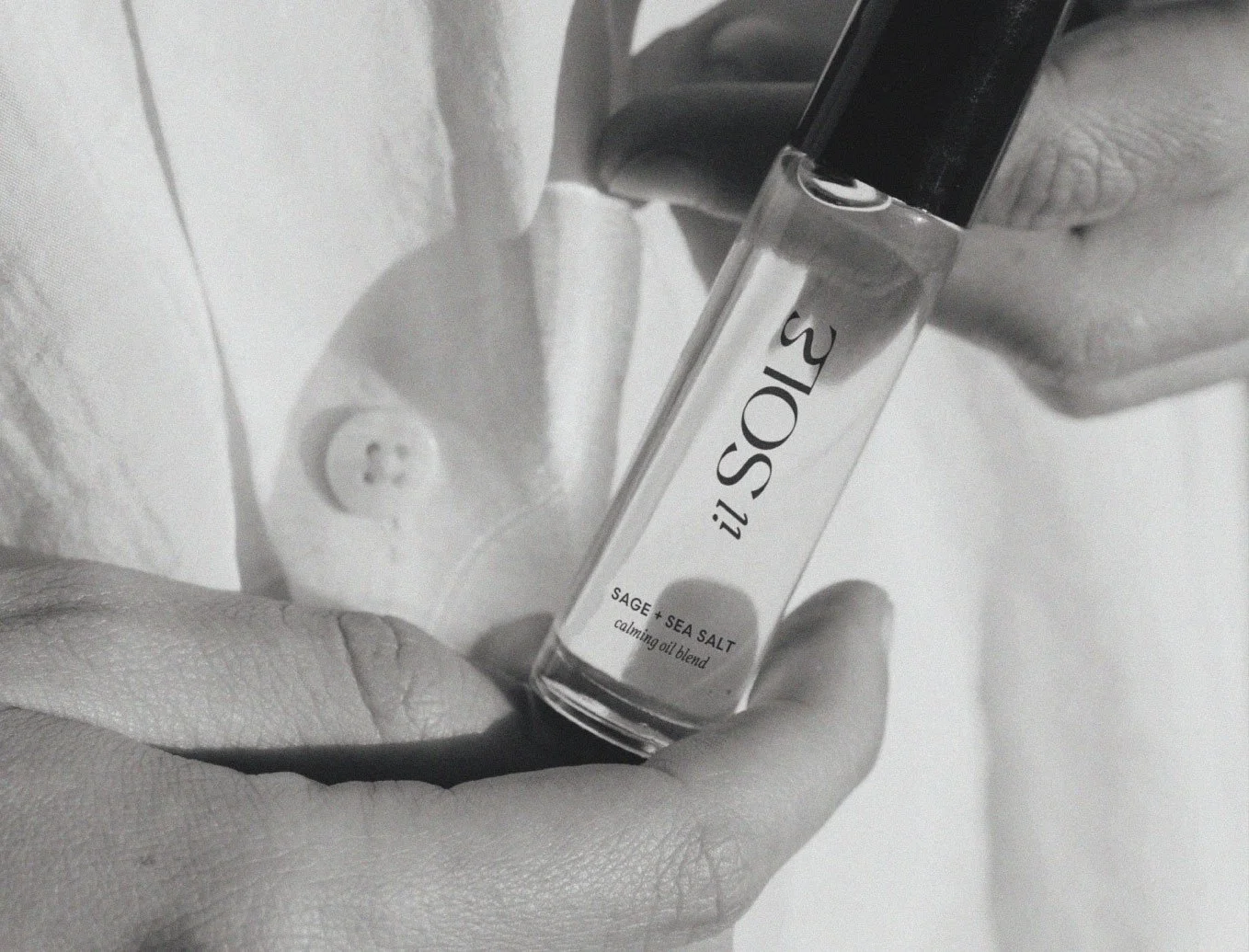
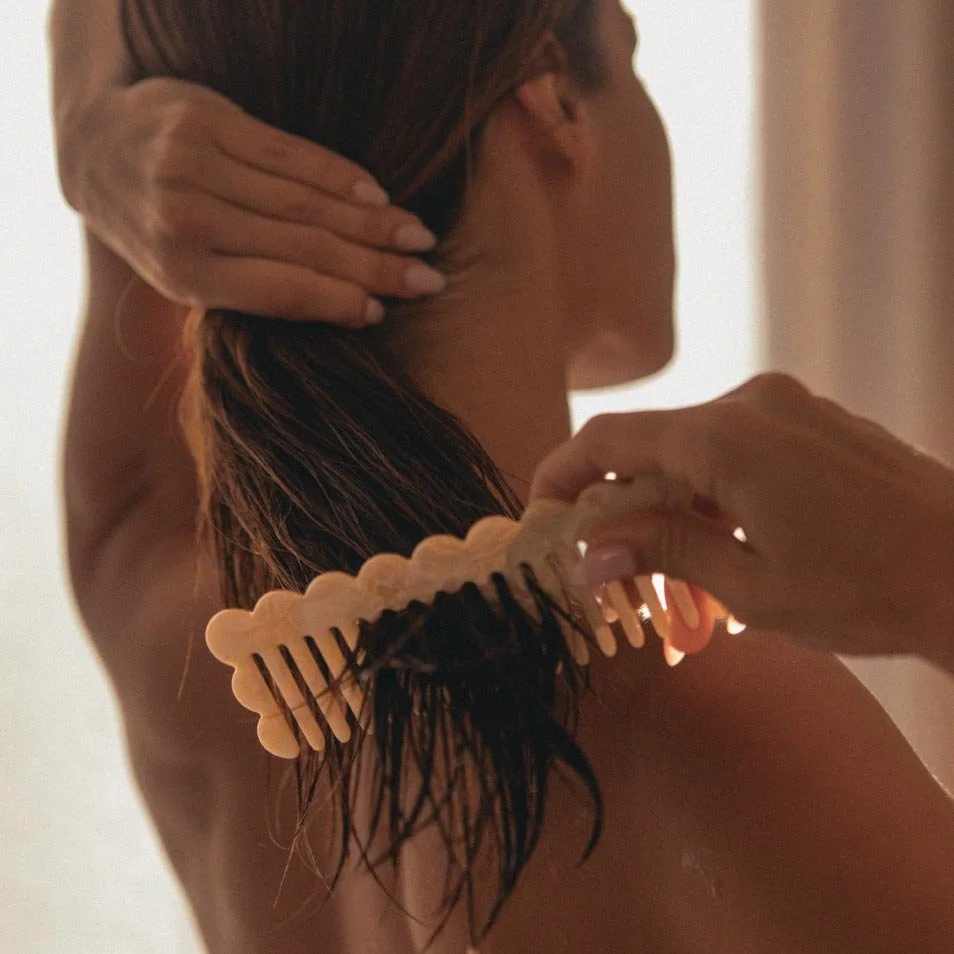
Lifestyle imagery invites people into the life they could live, the person they could become, with your product. This could look like a still image or a short video showing your product in use: a hand applying a serum, a dress moving with the wind, a candle being lit at dusk.
A note on the psychology: People project themselves onto the imagery they see on a brand's website. Where there's a person in the frame, the customer imagines (often without realising) whether they could be that person, in that moment. This is why lifestyle photography is so disproportionately powerful for a premium product brand.
It's also why airbrushed perfection has stopped working at this tier. With the rise of AI content, customers today often read perfection as performance or inauthenticity, and so are gravitating towards brands that feel more human. Moments that feel real and natural. When imagery feels this way, it creates a deeper connection with customers.
Closing thoughts
A thoughtful range of imagery brings richness and character to a brand, tells a fuller story of the product, and works to create an emotional desire in customers which goes beyond the logic of product features and benefits. Even expanding into one or two new styles can change how customers see your brand, and what they're willing to spend on it.
Kat Fletcher
Brand Consultant
The Premium Product Brand Checklist: A comprehensive checklist for founders building product brands in the premium and luxury space with a conscious ethos.