What Lana Del Rey Can Teach Us About Branding
Written by Kat Fletcher
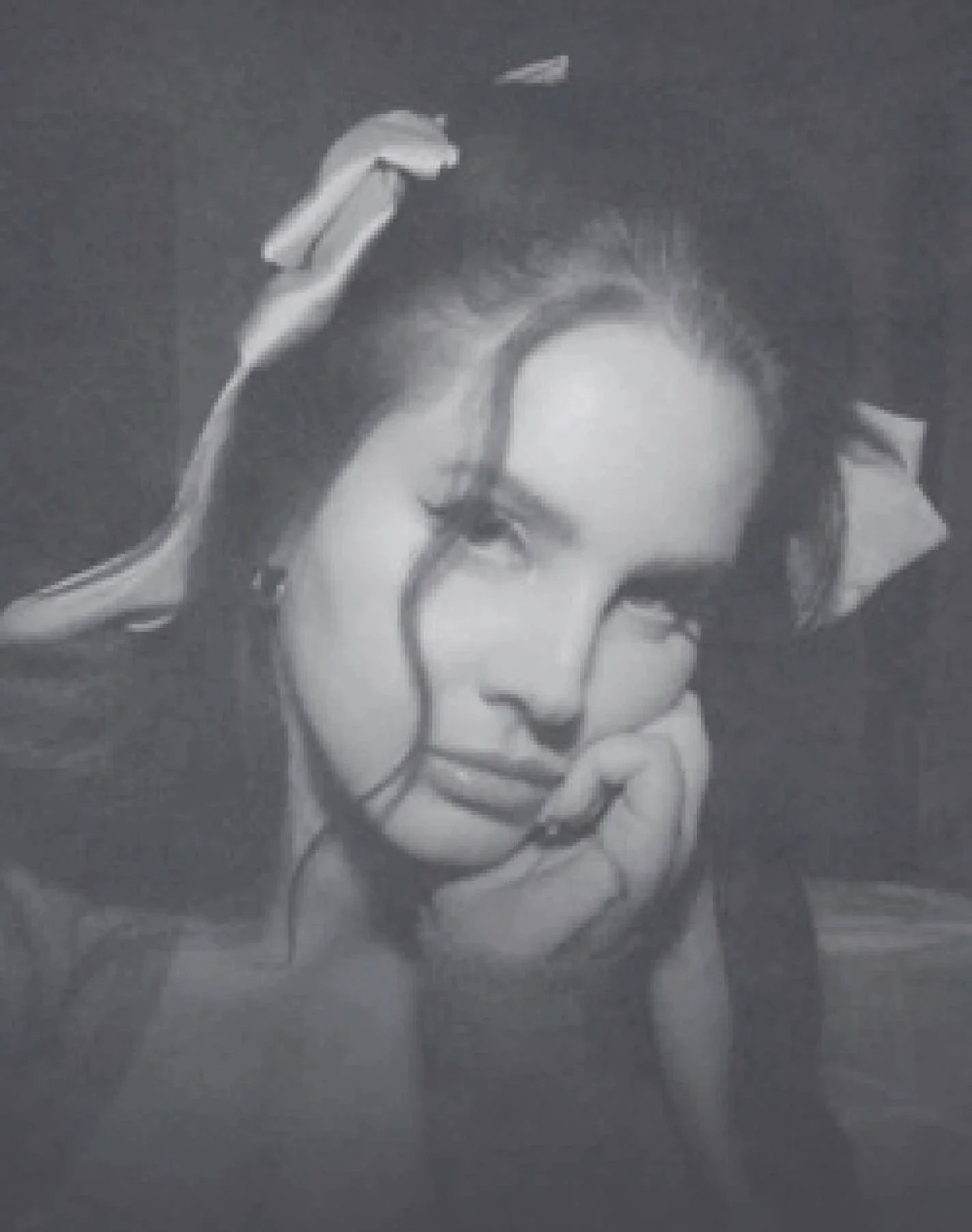

Something I hear often from brand founders is that they want to be unique. For their brand to have a distinctive identity people instantly recognise as theirs. Something that helps them stand apart in their industry and attract customers who feel a real connection to who they are.
In the pursuit of this, they often ask, How can I be different? And in trying to answer that question, they often miss the mark, coming up with small or surface-level points of difference that don't add to the character or energy of the brand. The qualities that actually draw people in and create resonance.
So what does create that je ne sais quoi quality? What makes a brand distinctive, recognisable, and one might even say iconic?
It comes from a different way of thinking. One that comes from a layer deeper place of creation. To explore this, I want to look at Lana Del Rey. An icon of the music industry, held in the hearts of many. It isn't just her music that people connect with; it's her whole character. So what is it that makes her so recognisable? And what can we take from her when it comes to building a brand of our own?
The brand that refuses to chase the market
The thing about Lana is that she didn't try to fit into what was happening around her. When she first emerged with Video Games, the mainstream music landscape looked very different. Everyone else was creating high-energy pop with glossy dance videos. She came in with a slow, melancholy ballad, paired with a homemade video of vintage clips and a webcam recording of herself singing. It felt intimate, slightly rough around the edges, and completely unlike what was going on at the time. And it worked. It broke the internet.
From there, albums like Born to Die and Norman Fucking Rockwell! continued in the same direction, exploring themes of longing, love, sadness, Americana and femininity through slow tempos, retro cinematic sound and modern hip-hop beats. The combination was something new in the music space.
You see, Lana didn't adjust herself to the market. She created something original from the essence of her character, and let the market come to her. And this is where many brands lose their footing before they've even begun.
They start by looking outward, asking what's trending, what competitors are doing, what will sell. While those questions have their place, they’re not where something distinctive is born. The brands that stand apart begin somewhere much closer to the source. They build from a considered set of choice about who the brand is, what feels meaningful to them, and what world they are creating through their brand.
For more on the strategic foundation underneath this, you can read:
For When Your Luxury Product Brand Doesn't Feel Distinct
Not being for everyone is the point
It's worth noting that Lana Del Rey faced a lot of criticism early in her career. People questioned her persona, called her inauthentic or manufactured. They didn't quite know what to make of what she was doing. She didn't soften her work to become more palatable to the mainstream. She held her ground, and culture caught up.
I see something similar happen with founders in the brand-building process. There's a moment where a part of their brand starts to feel more specific, more true, more its own. And then doubt comes in. Is it too much? Should I tone it down?
This is where many brands dilute themselves in an attempt to be more widely accepted. They soften the edges, and in doing so they lose the very thing that would have made them stand out to the people who would have loved them.
A distinctive brand doesn't come from trying to please everyone. It comes from knowing what the brand is, holding that with confidence, and trusting that the right people will recognise it.
Depth creates connection
There's a certain intimacy to Lana's work. Her lyrics often feel like diary entries rather than engineered hits. They’re reflective, personal, nostalgic, and often vulnerable. She doesn't smooth her edges to make them more marketable, and that's part of what people connect with. Not perfection, but truth.
This is something many brands shy away from. Their communication stays at the surface, focused on product benefits, features, outcomes, or a brand story that sounds much like every other story in their industry. The brand may be clear on what it sells, but it lacks the layer of meaning that creates real connection, and so it rarely leaves a lasting impression.
The brands people form loyal bonds with are the ones that allow for depth. They share their philosophies, a real story, a compelling purpose. They speak to something people recognise and resonate with, whether that’s a feeling, a desire, or a shared experience.
This could look like a candle brand that writes on topics emotional wellbeing and intentional living. Or a skincare brand that shares their ideas on how they see the concept of beauty as a whole.
Or take Indigo Luna, the sustainable fashion brand who weaves their philosophies on slow living, the natural world, and the body's relationship to nature through everything they create and express.
At the core of this principle is the understanding that people relate to brands like they relate to people. Connection comes from depth, from the sense that there's more to the brand than the product alone. The brands willing to work on that deeper layer are the ones that build deeper bonds with their customers.
Multidimensionality as identity
Part of what makes Lana so recognisable is that she doesn't fit neatly into one style. She blends multiple worlds: old Hollywood glamour, the American dream, pop-culture, vintage nostalgia, melancholia, modern hip-hop. It isn't one thing, but a particular combination that feels completely hers.
What she does so well is the art of multidimensionality, bringing different parts of her taste together into alignment so they work as one. Her sound, her lyrics, her aesthetic and her personal style all feel like they belong to the same world. There's a coherence that runs through everything.
Brands can learn from this. Rather than looking outward at what others in the industry are doing, the more useful question is what particular set of influences and references could shape this brand into something only it could be.
Play with multidimensionality. Places. Passions. Art styles. Time periods. Textures. Atmospheres. Ask, if the brand were a person, what kind of person would they be? If the brand were a place, where would they be? When you start there, you can start to create unexpected combinations, and that's where a distinctive character is born. Because no one else will bring those particular elements together in the same way. I write more about this concept in:
For When You Struggle to Make Your Brand Different
Holding character through evolution
Over time, Lana's work has evolved, but it has never lost its essence. From the dramatic, cinematic Born to Die, to the softer, more reflective tone of Chemtrails Over the Country Club.
And yet, throughout all of it, she remains recognisable. She doesn't reinvent herself to stay relevant. Her work follows its own evolution while the core of her character stays in place. The romance, the poetry, the emotional truth. The particular American mythology that runs through everything she touches.
This is something many brands struggle with as they grow. There can be a tendency to pivot, rebrand, and change direction too frequently. Over time, this creates a sense of fragmentation in how people see the brand. The customer never quite knows who they're looking at from one season to the next.
A strong brand holds its character at the core, and lets the expression of that character evolve. Its message, its identity, its tone all stay anchored, while there's still room for the brand to grow, create new things and respond to the world around it.
A fashion brand, for example, may explore different creative directions across new collections, while a clear through-line of natural fibres, flowing shapes and a reverence for the feminine form runs through everything. The collections change. The character holds.
Closing thoughts
What we can take from Lana Del Rey is less a formula for building a brand, and more a way of thinking about distinction.
She didn't build her recognisable presence by asking, How can I be different? She built a character, an identity, a whole world around herself from a combination of her taste, depth, and a refusal to dilute herself. And her difference emerged as a natural result.
The same holds true for brands. Originality isn't built by chasing what's different. It's built by cultivating a character with depth and dimension, and then expressing that through every brand touchpoint. This is what gives customers something to genuinely connect with.
When you do that, the brand develops a certain aura. A felt energy that draws the right people in through resonance and recognition, without the need to push, convince, or hard sell. You can read more on this topic here:
The Brand Aura Effect: How Brands Develop a Natural Pull
Kat Fletcher
Brand Consultant
25 Questions from the Brand Roadmap: A selection of the most potent questions from our Brand Roadmap process, to inspire deeper thinking around your brand.