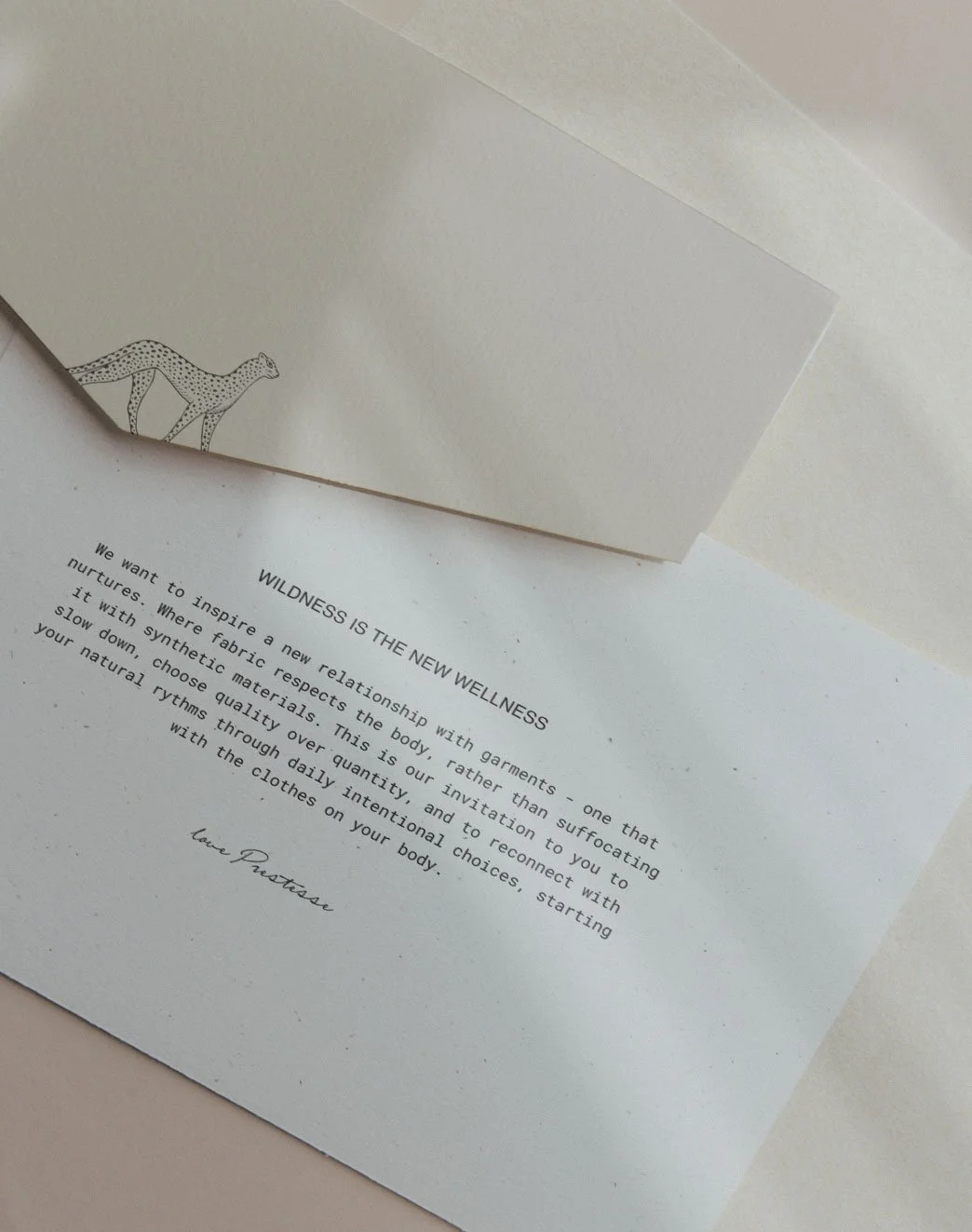
How to Build an Audience Before Your Brand Launch
Written by Kat Fletcher


There are two kinds of launches product brand founders experience.
In the first, launch day arrives and the brand opens to little response. The Instagram post goes out to a small audience. The email reaches a list of acquaintances. The website goes live and traffic trickles in. For weeks afterwards, the founder is working hard to be noticed and build momentum from a slow start.
In the second, launch day arrives and there's already a community waiting. People have been following along for months. They know the philosophy, the story, and the quality that makes the brand different. They've watched the brand take shape. They're ready to buy on day one. The first sales come in within hours. The launch creates immediate momentum that carries through the months that follow.
The difference between these two trajectories is rarely the actual product. It’s what happened in the months before launch day to create awareness and excitement for that product.
And that lies in building an audience before launching.
Why this matters
Simply put, the launch sets the trajectory.
A brand with a warm audience at launch sells more on day one and needs to spend less on ads. And the beauty of it is, building a warm audience pre-launch isn’t about creating extra content. The brand would already be writing and posting about its story and philosophies at some point anyway. The only difference is when. Posting that content in the months before launch, instead of after, means the brand is using time that would otherwise pass with no one paying attention. So by the time it comes to launch day, there's already a group of people who know the brand and are ready to buy. Therefore the brand isn't having to find its first customers from scratch, and panicking when sales are slow.
A successful launch also means the brand can grow with more momentum in the months that follow. More customers means more word of mouth, which brings more new people in organically. More customers also means the brand can collect social proof faster. Real reviews and real customer photos come quicker and can be used to create real trust in new comers.
Overall, a little bit of community building in the months before launch go a long way, not just in the launch day, but in the weeks and months that follow.
What most pre-launch advice gets wrong
Most pre-launch advice in the branding and marketing world treats community building as a tactical exercise. Build a waitlist. Run a giveaway. Use a countdown timer. Offer early-bird discounts. Drive sign-ups with hype.
Mass-market brands can use these tactics with some success. Premium and luxury brands cannot. At this level, the same tactics actively weaken positioning. Discount-driven sign-ups produce customers looking for discounts. Hype-driven sign-ups produce customers following trends. Neither is the kind of customer a premium brand is built for.
The brand building before the product
The brand doesn't begin with the product. It begins long before, when the founder starts to share the brand world. The ethos, the mission, the story, the ways of seeing, the aesthetic style. Whilst the products are what the brand sells, these aspects of the brand is what creates desire.
For premium and luxury brands, this matters even more. Customers are not just buying a thing, they’re buying what that thing represents. They’re buying what owning that thing says about them and their identity. So the brand’s identity needs to be developed in order for customers to make that connection and desire the product. This identity goes beyond looks. It's about the human, philosophical, cultural, intellectual, and artistic expressions of the brand.
Sharing these parts of the brand world during pre-launch is how the right customers identify themselves: I align with this. I belong here.
This is what builds a community of customers who connect with the brand and feel ready to buy when launch day comes.
The psychology of joining a world early
People relate to brands like they relate to people, and in this essence, we can see the pre-launch period as the dating phase. The brand is meeting the people who will become its earliest customers, and trust is being built slowly through presence, consistency and authenticity.
People who follow along during the pre-launch phase develop a sense of belonging. A special connection as they watch the brand blooming into existence.
They’ve been reading along the brand’s writings. They've watched the materials being chosen, the values being articulated. They, in some way, feel they are a part of the brand’s journey from the start, creating a kind of connection and loyalty that doesn't form when someone meets a brand for the first time on launch day.
How to do this well
Here are four practices the conscious premium founder can use to build community before launching. Each one calibrated especially for this higher level tier, rather than relying on hype, urgency, scarcity, discount, or mass market UGC.
1. SHARE THE BRAND WORLD OPENLY
Share the mood and aesthetic. Share the philosophies, the ethos, and the mission. Share the brand’s point of view. In considered, slow content that says what the brand stands for, why it exists, and what it values. Newsletters, essays, long captions, and image-led posts that show the world the brand is building. Depth is what premium customers respond to. This is where the conscious dimension lives most clearly.
2. SET UP A REFINED EMAIL SIGNUP PATHWAY FROM THE START
Email marketing is still one of the most effective forms of marketing. You don’t have to ever worry about an algorithm effecting whether or not people will see what you send them. Each email is delivered straight to their personal inbox.
Therefore giving people who are interested a way to sign up and follow along on the brand journey is key in the pre-launch phase. This can be as simple as a website landing page with one image, one sentence introducing the brand, and one sentence conveying what they will receive if they sign up. And of course, the sign-up box.
Once someone signs up, they receive a welcome email that acknowledges they are now part of the brand, and from there, the brand world building begins. This consists of two types of emails.
1. Thought pieces on the ideas and philosophies behind the brand, offering ongoing value that engages the intellect, depth and curiosity of your audience.
2. Insider updates as the brand comes into being, such as behind-the-scenes glimpses, launch news, and early product previews. This creates a sense of excitement for when the brand launches, and belonging through being part of the journey.
3. HAVE PRE-LAUNCH COLLABORATIONS WITH ALIGNED VOICES
In an age where AI is everywhere, people more and more explore the online world questioning what’s real. Building a brand that feels human is key to both customer trust and brand longevity. And one of the strongest ways to do this is through having real conversations with real people.
Brand collaborations and conversations give a new layer of depth that goes beyond sharing the brand’s own philosophies, story and mission, because it makes them actually tangible.
These conversations can take different shapes. A podcast with aligned creators, practitioners or thinkers. A short series of Instagram Lives or filmed conversations. A co-written piece or blog post interview with a brand or voice that shares similar values.
What matters most is alignment, not audience size. The person the brand talks to should share something real with the brand, whether that's a value, an aesthetic, or a way of seeing the world. Not only does this provide the brand with rich, human, lived-in content. It also gives the brand exposure through the collaborators audience, whilst giving the collaborator exposure too. In this sense, it’s a win-win.
What could this look like in practice? A founder of a conscious fashion brand I partnered with last year started with a series of intimate podcast interviews with aligned voices in the months before launch. She posted short clips of these conversations filmed on a sofa, relaxed and unhurried. These authentic clips gave people a way to get to know her as a founder and get a feel for the brand she was building. They built audience connection well before Prestesse launched, and since, the brand has been steadily growing off that early momentum.
4. SHARE THE BEHIND THE SCENES OF THE CREATION JOURNEY
I often see the same pattern with the type of founder who is committed to creating something of exceptional quality: they don’t want to share anything about the brand or product until everything is perfect and finalised. I understand the feeling. Those of us who live a life dedicated to quality also often have a tendency to be swayed by the old perfectionism.
But sharing what's going on behind the scenes before the brand officially launches, even though it's messy, imperfect, and possible to change, is one of the strongest ways to build connection and excitement for what’s coming.
So share the process with your followers from the start. Share the choosing of materials, the early samples before they're right, the mood boards and logo as they're taking shape, the behind-the-scenes photos and videos of testing the product. None of it needs to be final or launch ready, and that's exactly the point. Because building connection with your audience is more important than everything you share being final and perfect. What matters is that people can be part of watching the brand get made, rather than one day just seeing it appear. This level of intimacy is what creates deeper connection, customer loyalty, and yes, more sales.
To bring this together
Two founders can have equally good products. One has a slow launch with slow sales, and potentially weeks and months that follow in suit. The other has a group of people ready to buy from day one, launches with momentum, and sees sales steadily grow from launch day. Between these two outcomes, it’s often not the product that makes the difference. It’s the intentionality behind the building of the brand world from the beginning.
Most launch advice focuses on the days right before going live. A countdown. A giveaway. Mass UGC. At the premium and luxury tier, none of that suits what you're building, and it can actually work against you, because it pulls in people looking for a deal rather than people who will pay premium pricing because they resonate with the brand. I’ve written more on this topic here: The Art of Luxury Branding: Why Customers Pay Higher Prices
What we need is a slower and more honest approach. Talk about why you're building this. Show the samples before they're finished. Have real conversations with people who share your values. Very little of it is extra work, since you'd be creating this content at some point anyway. The difference is that you're just choosing to share it before you launch instead of after, while those months would otherwise pass with no one paying attention.
This way, by the time your doors open, the right people are already there. They've been drawn into the world the brand has been quietly building, without ever being pushed by urgency or pulled in by a discount. That's what gets you customers from day one, word of mouth you didn't pay for, and a first year that builds with momentum, instead of one spent trying to catch up.
Kat Fletcher
Brand Consultant
The Premium Product Brand Checklist: A comprehensive checklist for founders building product brands in the premium and luxury space with a conscious ethos.