What it Really Means to Design With Respect for the Earth
Written by Kat Fletcher
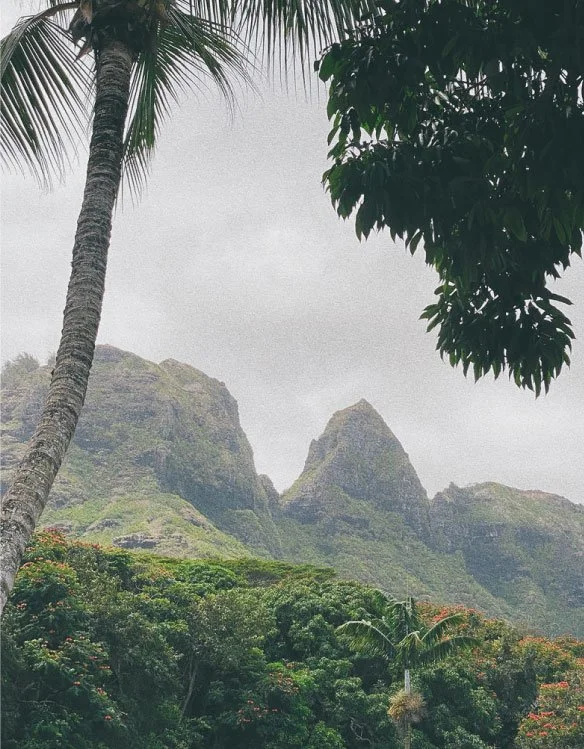
Earth is our home. A gift of vast oceans and dense jungles, vibrant colour and the sounds of nature. Materials shaped by sunlight and time, and the chance to create something meaningful from what we have been given.
To design with respect for the Earth is to be in harmony with this home. To create not as consumers of the natural world, but as caretakers of it. To be conscious of what we have been given, and intentional about what we choose to make from it.
At its core, respect looks like a genuine desire to do right by the world that sustains us. It’s remembering that everything we make draws from the earth, and everything we release into it leaves a print.
Quality as a form of care
Not long ago, after losing my water bottle, I bought a new one from a supermarket in town. It looked like it would be good with sturdy materials, thermal insulation, and a sleek form. It seemed like something that would serve me well.
The next morning, riding my scooter along a bumpy jungle road leading from my home, I noticed my bag was wet. When I checked the bottle, water was dripping from the lid, meaning the bottle was basically unusable if I wanted to take it out.
What felt disappointing wasn’t just the inconvenience, it was the waste. The materials extracted from the earth. The energy used to manufacture and ship it. The time of everyone involved in bringing it into existence. All undone by an oversight in the design. A product created but not thoroughly tested, so it now sits unused with its life cut short.
This is what we miss when we talk about sustainability only in reference to the materials a product is made from. The materials matter, but so does the attention to design that makes sure the product actually works and lasts.
Quality helps us use less and want less
When we talk about the sustainability of products, we tend to focus on what they are made of. However respect for the Earth also means honouring the resources we use by creating products that last.
A well-made product extends the life of the materials it came from. It becomes something someone keeps and continues to use, rather than going into landfill.
A well-made product also reduces the desire to accumulate more. When people have something that feels high quality, beautifully made and enduring, from a brand they feel connected to, they naturally feel less inclined to fill the space with more (often disposable) things. They purchase more slowly and intentionally. This makes product quality is not just a design choice, but an ecological one.
Respecting the earth means respecting time
Time is one of the rarest resources we have. Customers spend time choosing a product, using it, and earning the money to buy it. Therefore a quality product honours that time and that investment.
As founders and creators, our own time is also finite. What we choose to design and build becomes part of the story of our lives.
Would you rather spend your time creating an okay product and brand, or creating something really good, that adds real goodness to people's lives?
When we create better, we take less
To design with respect for the Earth is about increasing the value and longevity of what we bring into being. The more beautiful, well-made, and life-enhancing a product is, the longer it remains in someone's life. The longer it remains, the less we take, and the less we waste.
I keep returning to the same idea: simplicity is potency. It applies to product design as much as it does to branding. A smaller, more considered collection carries more weight than a sprawling one. A single product made with care does more for a brand than ten products made in a rush. The discipline of doing less, and doing it properly, is itself an ecological practice.
You can see it in the conscious wellness brands that genuinely stand apart from the pack. Brands like Indigo Luna, Lesse and Tatine. They are not trying to fill every category. They are not pushing volume. They are creating fewer things, building them properly, and trusting that this is enough.
How to Design With Respect for the Earth: Practices to Begin
Respecting the Earth in your design process does not require perfection. It simply asks for awareness and a willingness to make small, meaningful choices. Here are a few places to begin.
CHOOSE MATERIALS WITH CONSIDERATION
Think about their origin and the impact their extraction has on the Earth. Think about their durability, how long they are designed to last. Think about their afterlife, whether they can be renewed, recycled, or returned to the planet. Choose materials that honour the Earth and the product equally.
PRIORITISE LONGEVITY
When designing a long-life product, ask whether it will truly last. A product selling is one goal, someone still using it in five years is another. Invest in stronger construction and craftsmanship. Longevity is sustainability.
TEST YOUR PRODUCT
Use it, hold it, observe it, and invite others to do the same. Small refinements made early prevent far greater waste later on. This is the lesson my leaking water bottle taught me on a jungle road.
DESIGN FOR REFILLS OR REUSE
Can a component be replaced instead of thrown away? Can the vessel be refilled or repurposed? Even small opportunities for reuse extend the life of materials.
SLOW THE PROCESS
Respect for the Earth often begins with slowing down. Give yourself the time to refine, and to choose the better option rather than the faster one.
MAKE IT BEAUTIFUL
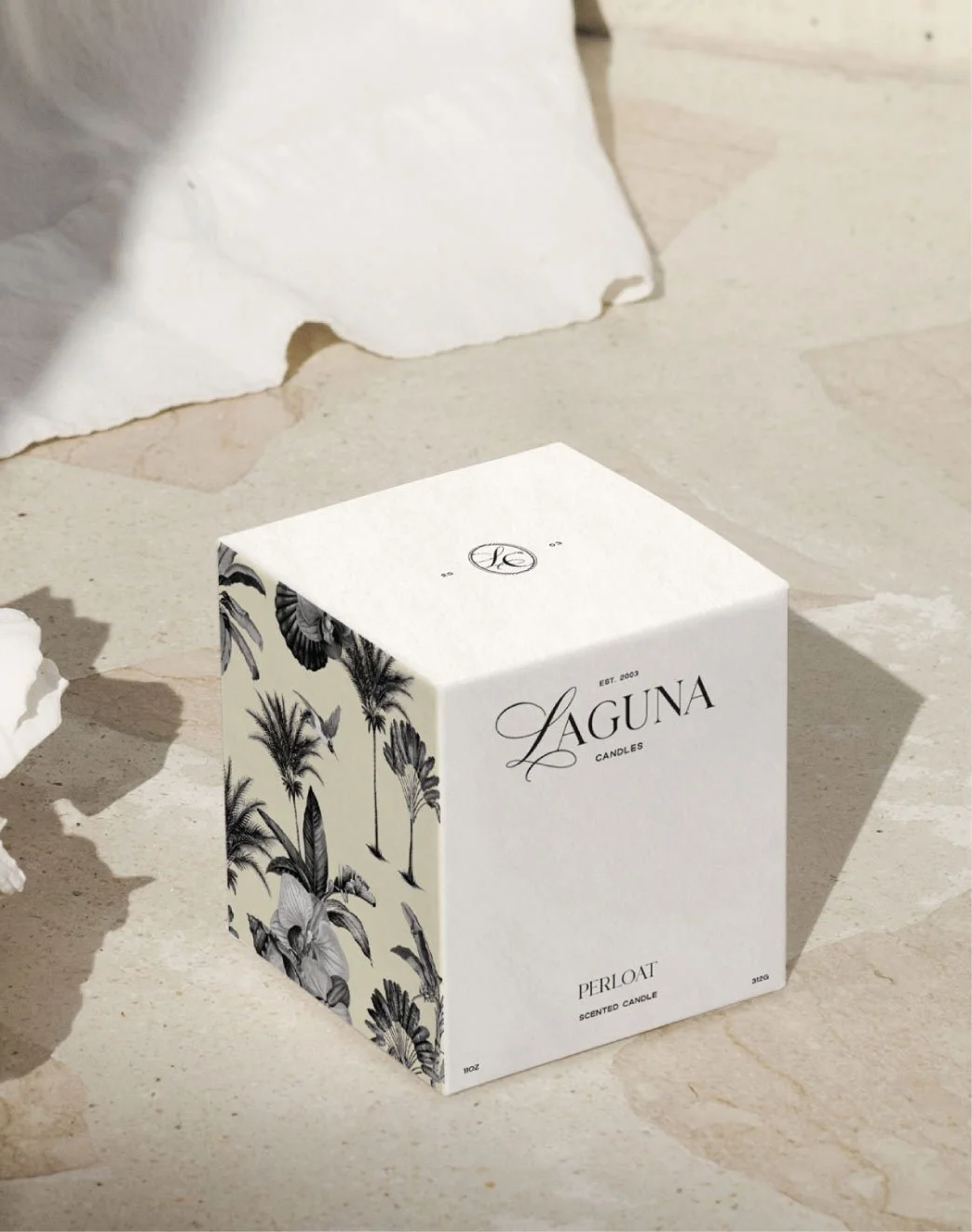
When a product is beautiful, people are more likely to keep it. This also goes for packaging. An e-commerce box is more likely to be kept and repurposed as a storage box or decoration in someone’s home when it is beautiful. Whereas a forgettable one is more likely to be thrown away.
CREATE LESS, BUT BETTER
Focus on what is genuinely adding something to the world, and what feels meaningful and aligned to you. A smaller, more thoughtful collection often has greater impact. It shows consideration behind each thing a brand creates and launches.
Concluding Thoughts
Good design is a way of saying: I see the Earth as a home to be in harmony with, not simply a resource to consume from. It honours the origins of every material and creates a more thoughtful relationship between people and the planet.
To design with respect for the Earth is to slow down, create with intention, and make things with longevity in mind. In doing so, we leave our home a little more intact, and the lives of the people who use our creations a little more enriched.
Kat Fletcher
Brand Consultant